Strength, Movement, and Fitness for Healthy Aging
Movement is one of the most powerful tools for healthy aging, longevity, and overall well-being. The right workouts don’t just change how your body looks, they support strength, mobility, balance, bone health, metabolism, and mental clarity as you age.
This category focuses on smart, sustainable workouts designed to meet your body where it is, while helping it stay strong, capable, and resilient over time.
How Workouts Change as We Age
As we move through midlife and beyond, the body’s needs evolve. Changes in muscle mass, joint health, bone density, hormones, and recovery time mean that workouts should adapt, not stop.
Effective workouts for healthy aging prioritize:
- Strength and muscle preservation
- Mobility and flexibility
- Joint support and injury prevention
- Balance and stability
- Cardiovascular health and endurance
Why Movement Matters for Longevity
Regular movement supports nearly every system in the body. When done consistently and appropriately, workouts can help:
- Maintain muscle and bone strength
- Improve metabolic health and insulin sensitivity
- Support hormonal balance, including menopause-related changes
- Enhance mood, brain health, and stress resilience
- Reduce the risk of injury and loss of mobility
Fitness is not about intensity alone, t’s about function, consistency, and longevity.
Core Pillars of Workouts for Healthy Aging
Strength Training & Muscle Health
Strength training is essential for preserving muscle, supporting joints, and maintaining independence as we age. This section focuses on safe, effective strength workouts for midlife and beyond.
Mobility, Flexibility & Joint Support
Mobility work keeps the body moving well. Learn how stretching, mobility exercises, and joint-friendly movement help prevent stiffness, pain, and injury over time.
Cardiovascular Fitness
Heart health remains vital at every age. This pillar explores cardio options that support endurance, circulation, and metabolic health—without unnecessary strain.
Balance & Stability
Balance training becomes increasingly important with age. This section focuses on exercises that support coordination, fall prevention, and functional movement.
Recovery, Rest & Injury Prevention
Recovery is part of progress. Learn how rest, sleep, and recovery practices support muscle repair, hormonal balance, and long-term fitness success.
Workouts for Midlife & Menopause
Hormonal shifts can affect energy, strength, and recovery. This pillar addresses how to adapt workouts during perimenopause and menopause for better results and sustainability.
A Sustainable Approach to Fitness
Healthy aging isn’t about pushing harder—it’s about training smarter. The most effective workouts are those you can maintain over time while respecting your body’s signals.
- This category exists to help you:
- Build strength without burnout
- Move with confidence and safety
- Support longevity through fitness
- Enjoy movement as part of daily life
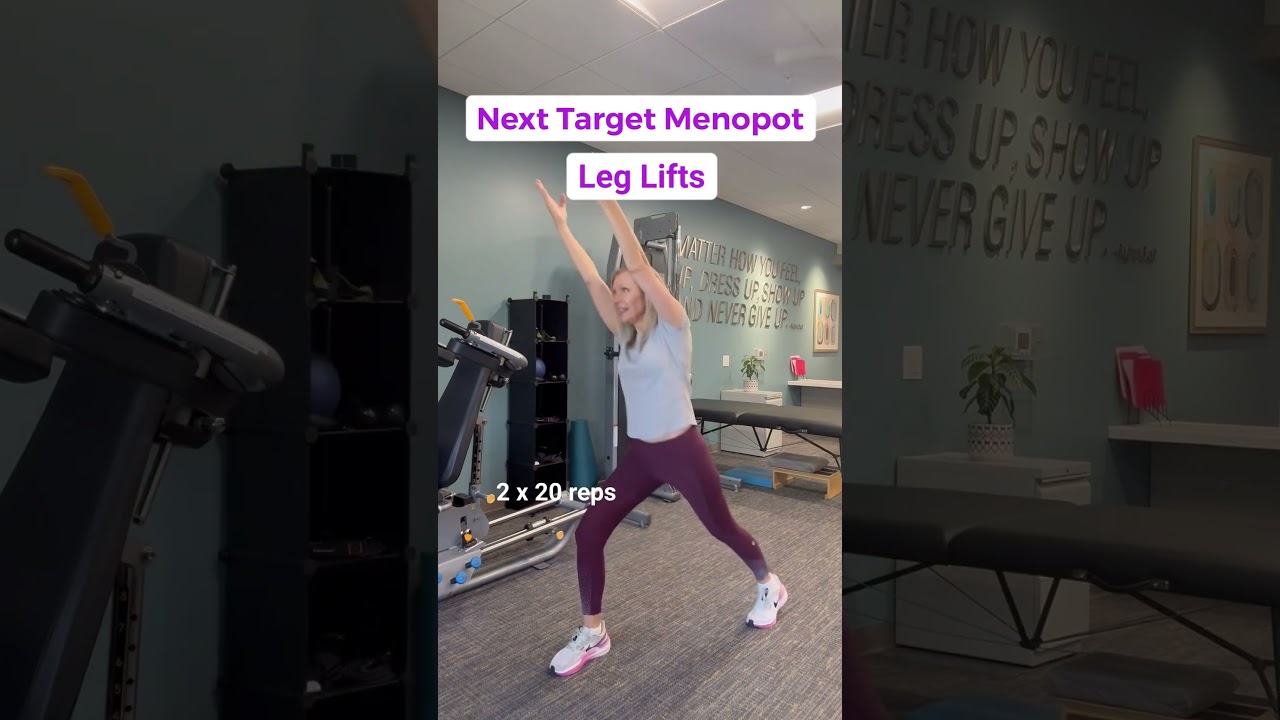
How I Tackled Back Fat and Bra Bulge in My 40s, 50s, and Beyond
Let’s talk about something many women notice as they get older—but few of us love to admit: back fat and bra bulge. I know how discouraging it can feel when that area doesn’t respond the way it used to, even if you’re staying active. The truth is, this isn’t about doing endless cardio or punishing workouts. It’s about understanding what actually works for our bodies at this stage of life.
Why Back Fat and Bra Bulge Become More Noticeable
As we age, a combination of hormonal changes, muscle loss, and posture shifts can cause fat to settle around the upper and mid-back. Weak upper-back muscles and rounded shoulders can make bra bulge appear more pronounced—even when body weight hasn’t changed much.
That’s why focusing only on weight loss often misses the mark.
More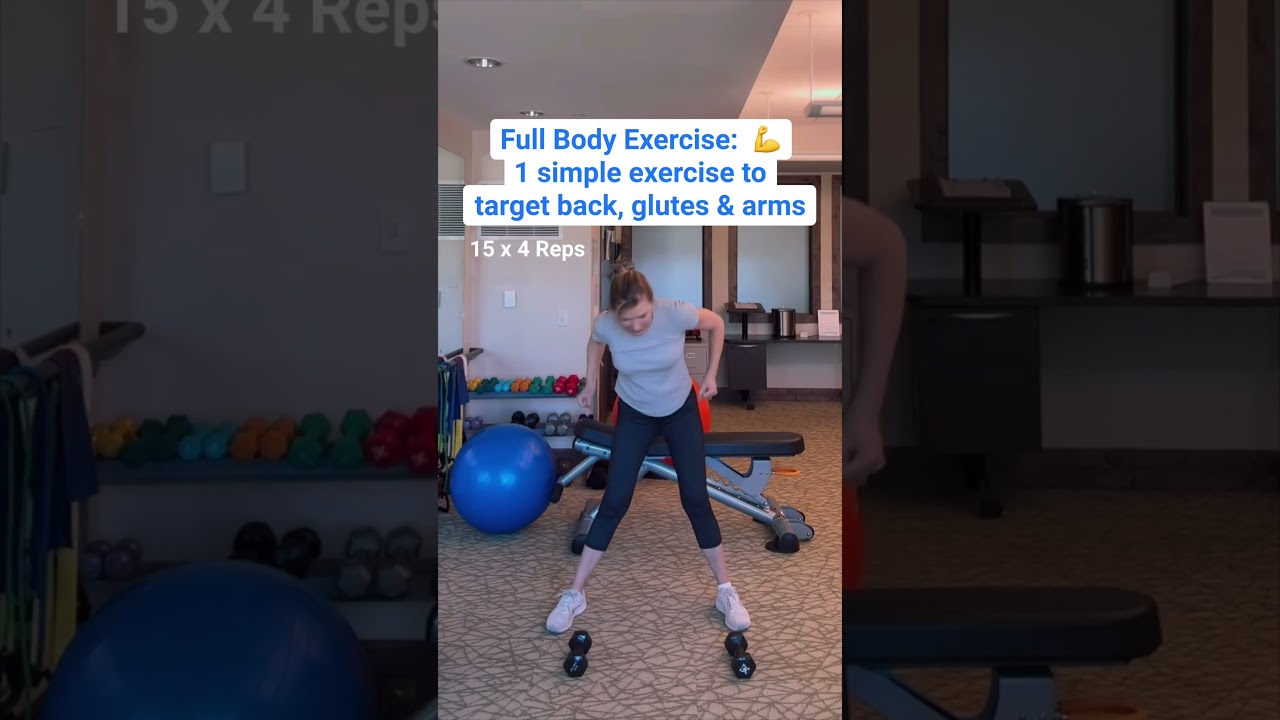
Tips on Building Strength and Stability as We Age (Plus Simple Exercises You Can Do Anywhere)
Building strength is important—but as I’ve learned over time, the real power comes from stability. As we age, balance issues can sneak up on us faster than we expect, and poor stability is one of the leading reasons for falls and injuries. The good news? Stability is something we can actively train at any age.
I focus on simple, intentional exercises that improve balance, core control, and overall strength—many of which you can do with nothing more than a chair.
Why Stability Matters More Than You Think
Strength helps us lift, push, and move—but stability helps us stay upright, react quickly, and move with control. Without it, even strong muscles can’t fully protect us. Improving stability supports everyday activities like walking, climbing stairs, getting out of a chair, and staying active with confidence.
More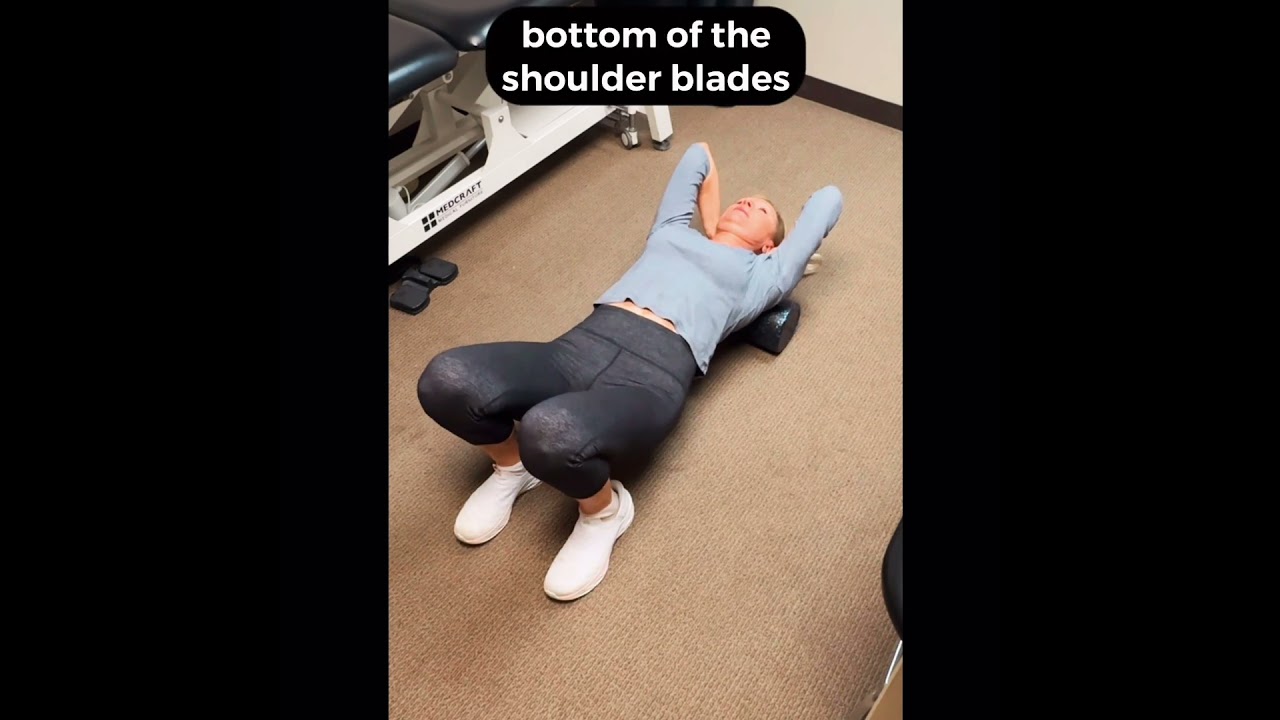
How I Fixed My Neck Hump (Buffalo Hump) and Improved My Posture
I’ll be honest—years of leaning over my computer and constantly looking down at my phone finally caught up with me. At first, I didn’t really notice it. But then my family started pointing it out: a small hump forming at the base of my neck, often called a neck hump or buffalo hump. That was my wake-up call.
Beyond how it looked, I could feel that something was off. My posture wasn’t great, my upper back felt tight, and my neck was constantly stiff. I knew I needed to do something before it got worse.
More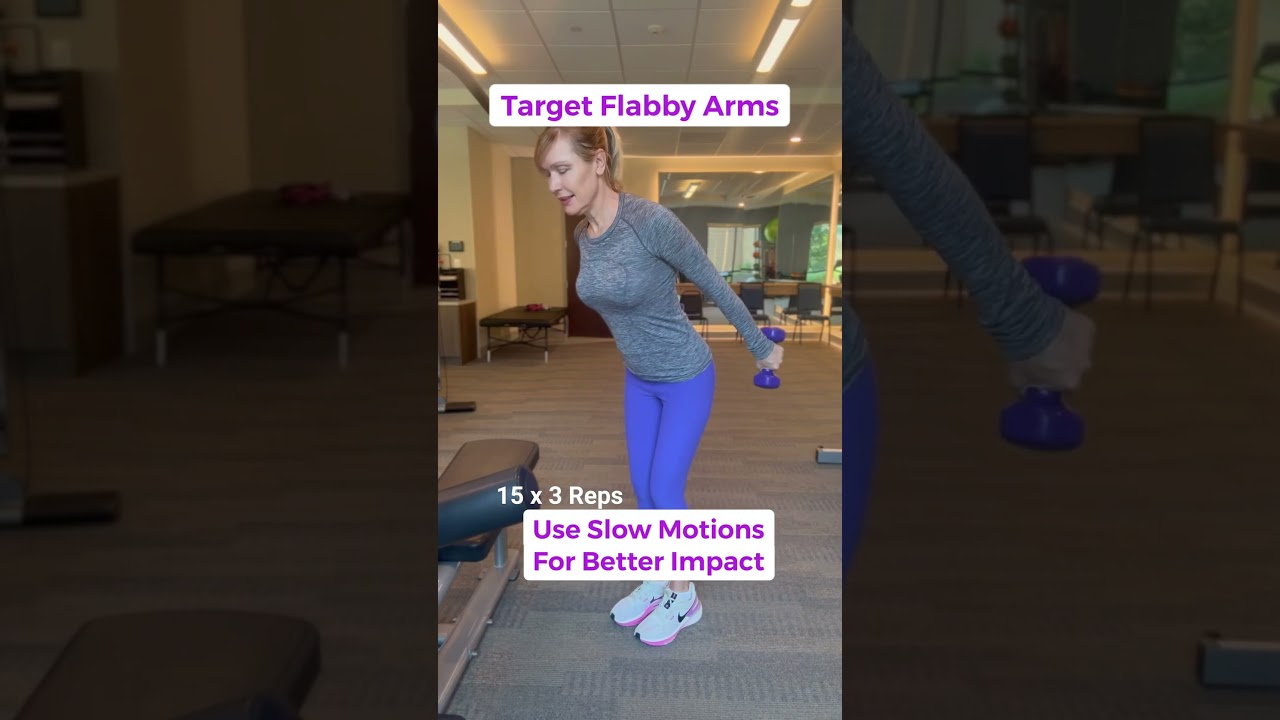
Stubborn Underarm Fat? These Exercises and Expert Tips Can Help
If there’s one area that tends to bother many of us as we move through our 40s, 50s, and 60s, it’s the underarm area. I know how frustrating it can feel to notice flabbiness there, even when you’re staying active. The good news? You don’t need extreme workouts or hours at the gym to see a difference.
I recently started focusing on simple, targeted arm exercises, and they’ve made a noticeable impact. These moves are especially great for women in midlife who want stronger, more sculpted arms without stressing their joints or overcomplicating their routine.
More