Smarter Strategies to Support Long-Term Health and Aging Well
Preventative care and biohacking longevity focus on optimizing how the body functions over time—before problems arise. This category explores proactive, science-informed approaches that help support energy, cognitive health, metabolic balance, recovery, and overall longevity.
Rather than waiting for symptoms, preventative and longevity-focused strategies empower you to understand your body, reduce risk factors, and support healthy aging from the inside out.

What Is Preventative & Biohacking Longevity?
Preventative longevity combines early intervention, lifestyle optimization, and emerging wellness science to help the body perform at its best as we age. Biohacking, in this context, is not about extremes—it’s about intentional, evidence-based practices that support resilience, repair, and long-term vitality.
This approach emphasizes:
-
Prevention over reaction
-
Personalization over one-size-fits-all
-
Education over trends
Why Preventative Longevity Matters
Aging impacts every system in the body—often long before symptoms appear. By addressing key factors early, preventative and biohacking longevity strategies can help support:
-
Sustainable energy and reduced fatigue
-
Cognitive clarity and brain health
-
Hormonal balance through midlife and menopause
-
Inflammation management and recovery
-
Metabolic and cardiovascular health
-
Overall longevity and quality of life
The goal is not to stop aging—but to age with strength, function, and confidence.
Core Pillars of Preventative & Biohacking Longevity
Proactive Health & Early Intervention
Understanding your baseline health allows for smarter decisions. This section focuses on early awareness, preventative strategies, and health optimization designed to support long-term wellness.
Cellular Health & Regeneration
Longevity begins at the cellular level. Learn how recovery, repair, and regenerative-focused practices may support cellular health, inflammation balance, and tissue resilience over time.
Metabolic & Energy Optimization
Metabolism and energy regulation change with age. This pillar explores strategies to support blood sugar balance, energy levels, and metabolic efficiency—key components of healthy aging.
Hormones, Midlife & Longevity
Hormonal shifts play a major role in aging, especially during perimenopause and menopause. This section addresses how hormone health intersects with longevity, vitality, and preventative care.
Brain Health & Cognitive Longevity
Cognitive function is a cornerstone of quality of life. Explore practices that support mental clarity, focus, memory, and stress resilience as part of a longevity-centered lifestyle.
Recovery, Sleep & Stress Regulation
Chronic stress accelerates aging. This section highlights the importance of sleep quality, nervous system regulation, and recovery in supporting long-term health and longevity.
A Balanced Approach to Biohacking
Biohacking longevity is not about doing more. It’s about doing what’s appropriate, safe, and sustainable. This category focuses on grounded strategies that fit into real life and evolve with your body over time.
Education is the foundation, so you can explore preventative and longevity-focused practices with clarity, confidence, and intention.
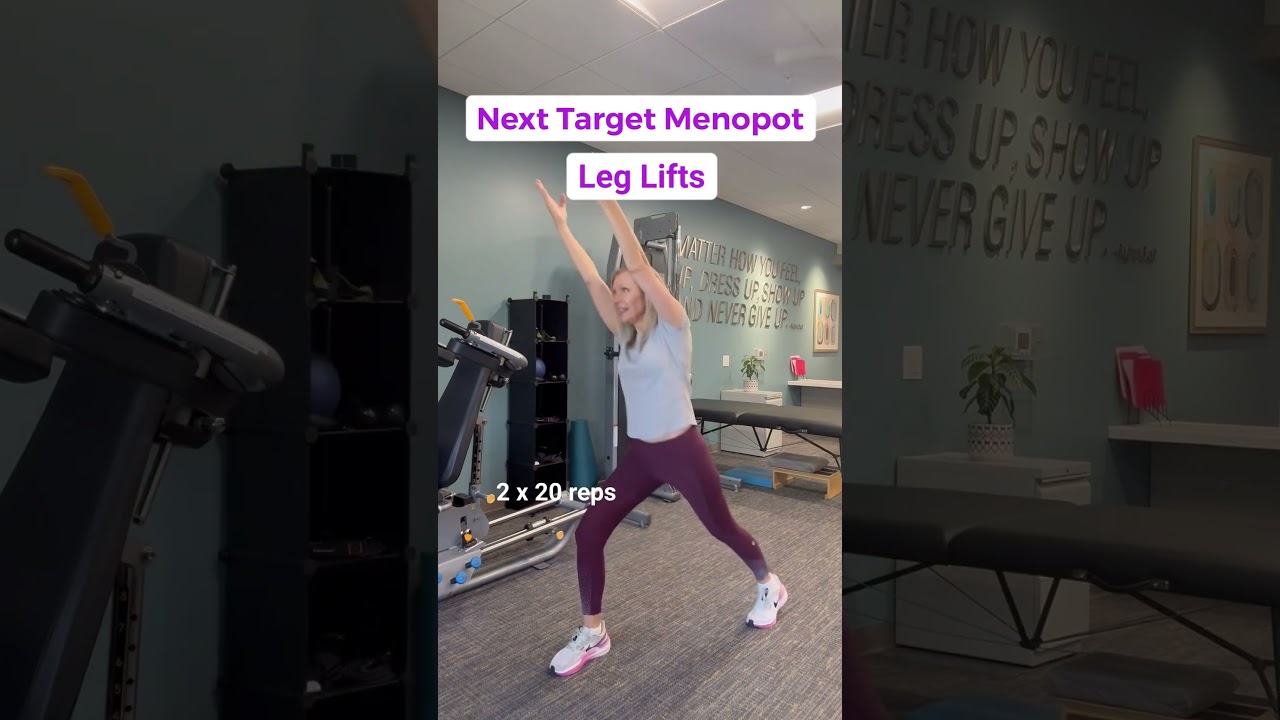
How I Tackled Back Fat and Bra Bulge in My 40s, 50s, and Beyond
Let’s talk about something many women notice as they get older—but few of us love to admit: back fat and bra bulge. I know how discouraging it can feel when that area doesn’t respond the way it used to, even if you’re staying active. The truth is, this isn’t about doing endless cardio or punishing workouts. It’s about understanding what actually works for our bodies at this stage of life.
Why Back Fat and Bra Bulge Become More Noticeable
As we age, a combination of hormonal changes, muscle loss, and posture shifts can cause fat to settle around the upper and mid-back. Weak upper-back muscles and rounded shoulders can make bra bulge appear more pronounced—even when body weight hasn’t changed much.
That’s why focusing only on weight loss often misses the mark.
MoreTips on Increasing Bone Density as We Age (and Why Jump Training Matters)
As we get older, bone health becomes something we can’t afford to ignore—especially for women in our 40s, 50s, 60s, and beyond. I’ve learned that maintaining bone density isn’t just about avoiding problems later; it’s about staying strong, confident, and independent right now.
One of the biggest surprises for me? Jump training can play a powerful role in improving bone density.
Why Bone Density Declines With Age
As we age, our bodies naturally lose bone mass, which increases the risk of osteoporosis and fractures. Hormonal changes, reduced activity, and long periods of sitting all contribute to weaker bones over time. The good news is that bones respond to the right kind of stress—and we can use that to our advantage.
More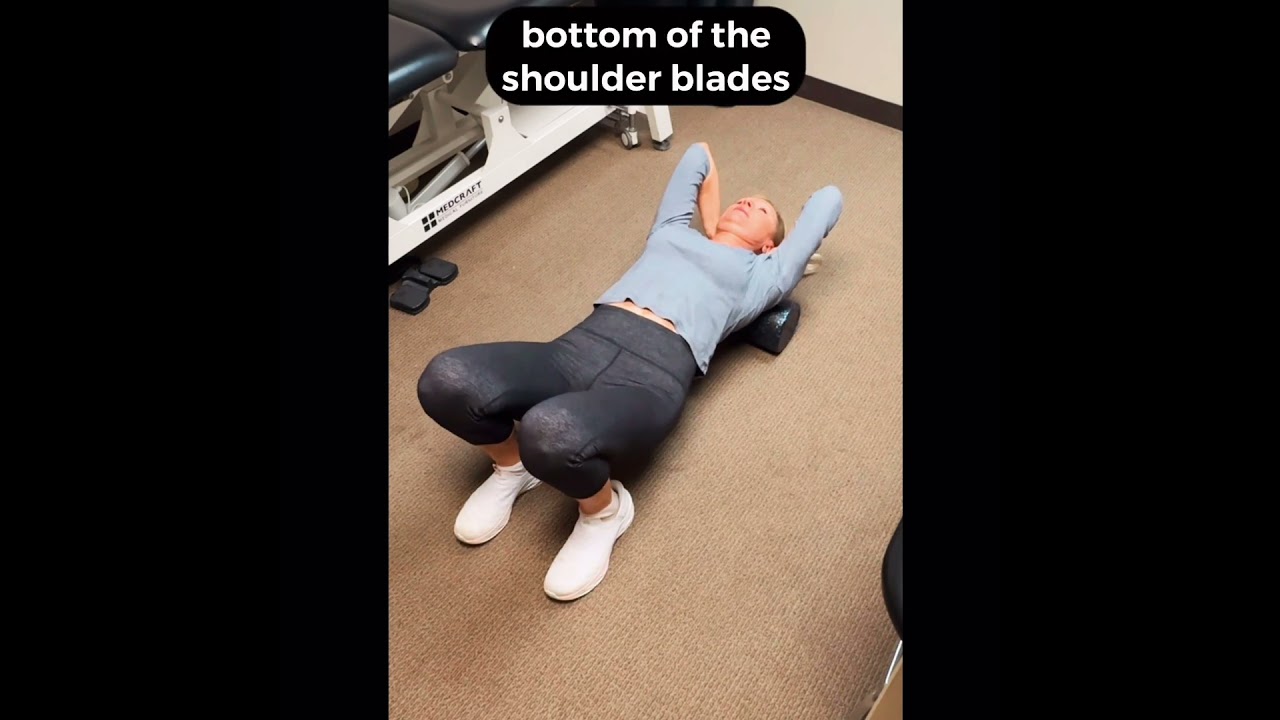
How I Fixed My Neck Hump (Buffalo Hump) and Improved My Posture
I’ll be honest—years of leaning over my computer and constantly looking down at my phone finally caught up with me. At first, I didn’t really notice it. But then my family started pointing it out: a small hump forming at the base of my neck, often called a neck hump or buffalo hump. That was my wake-up call.
Beyond how it looked, I could feel that something was off. My posture wasn’t great, my upper back felt tight, and my neck was constantly stiff. I knew I needed to do something before it got worse.
More