Daily Habits That Support Healthy Aging and Longevity
Lifestyle choices shape how we age. The small, consistent decisions we make each day—how we sleep, move, manage stress, connect with others, and care for ourselves—have a powerful impact on healthy aging, longevity, and overall quality of life.
This category focuses on practical lifestyle habits that support long-term wellness, helping you build routines that feel sustainable, supportive, and aligned with your stage of life.

How Lifestyle Influences Aging
Aging is influenced not only by genetics, but by how we live day to day. Lifestyle factors affect:
- Energy levels and fatigue
- Sleep quality and recovery
- Stress resilience and emotional balance
- Metabolic and cardiovascular health
- Cognitive function and mental clarity
Healthy aging is built through habits—not extremes.
Why Lifestyle Matters for Longevity
Lifestyle choices directly influence how the body functions over time. When aligned with healthy aging, lifestyle habits can:
- Support hormonal balance, including menopause-related changes
- Reduce chronic stress and inflammation
- Improve sleep and recovery
- Enhance mental clarity and emotional well-being
- Promote long-term independence and vitality
Longevity is not about perfection—it’s about consistency.
Core Pillars of a Healthy Aging Lifestyle
Sleep & Recovery
Quality sleep is essential for physical and mental health. This section explores how sleep supports hormones, brain health, recovery, and longevity—and how to improve sleep at any age.
Stress Management & Nervous System Health
Chronic stress accelerates aging. Learn lifestyle strategies that help regulate the nervous system, reduce stress, and support emotional resilience.
Daily Routines & Healthy Habits
Consistent routines create stability. This pillar focuses on daily habits that support energy, focus, and overall wellness without overwhelming your schedule.
Social Connection & Emotional Well-Being
Connection matters for longevity. Explore how relationships, community, and emotional health contribute to healthy aging and quality of life.
Environment, Sun & Lifestyle Factors
Environmental influences—from sun exposure to daily surroundings—play a role in aging. This section addresses lifestyle choices that support protection, balance, and long-term health.
Lifestyle Support Through Midlife & Menopause
Midlife transitions bring unique lifestyle needs. This pillar focuses on adapting routines during perimenopause and menopause to support energy, mood, and overall well-being.
A Sustainable Approach to Living Well
A healthy aging lifestyle is not about doing everything—it’s about doing what works for you. Simple, intentional choices can create meaningful change over time.

Medical Expert Says Statins Can Lower Cardiovascular Risk by 20–30%
This concise short features a medical expert explaining how statins can slash cardiovascular risk by 20-30%, shared from a cozy home setup with plants adding a calming vibe. She highlights their power in managing high cholesterol related to heart disease, advocating for long-term use under guidance.
More
4 Moves to Fight the Menopot & Flatten Menopause Belly
This dynamic short features a fit instructor demonstrating four powerful moves to combat the infamous “menopot”—that stubborn midsection fat gain many women notice during and after menopause. Dressed in stylish activewear, she flows through targeted exercises from a cozy home setup, promising real results without hours at the gym.
More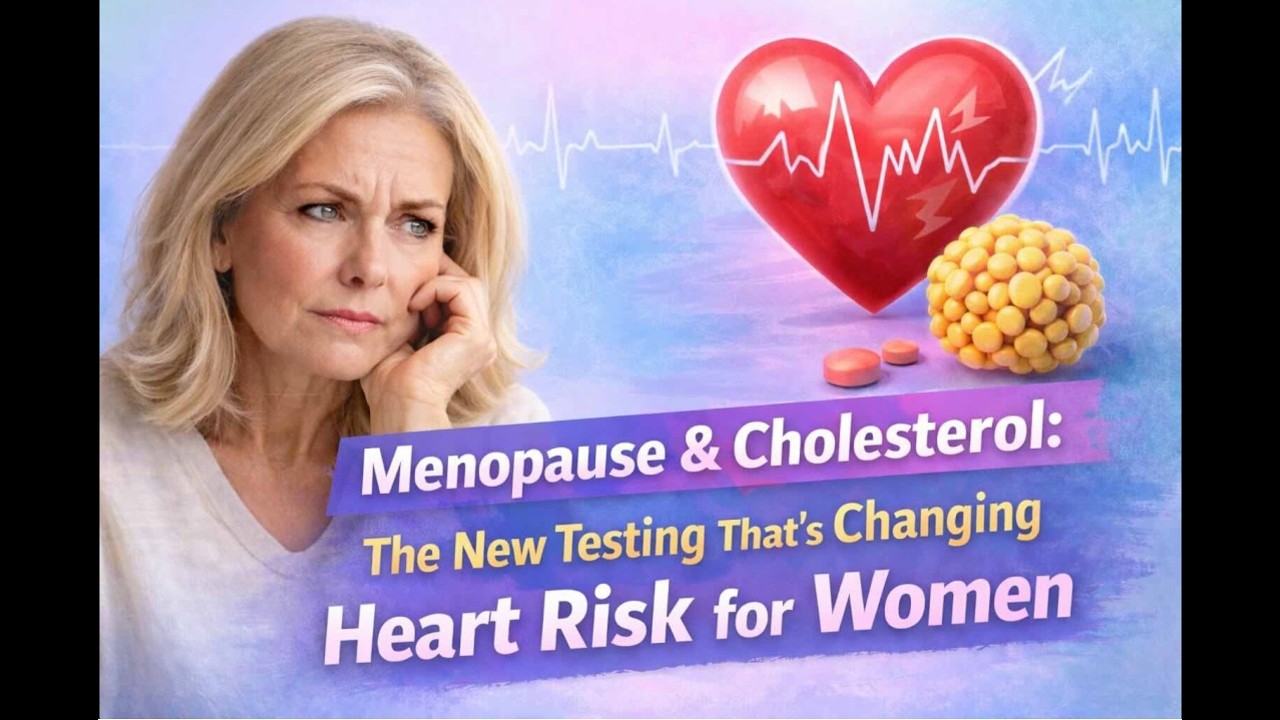
Menopause & Cholesterol The New Testing That’s Changing Heart Risk for Women
This compelling long-form video features Dr. Michael Horn from the Hahn School of Nursing, breaking down a revolutionary cholesterol test tailored for women in menopause. With bold graphics highlighting “LOW HDL” in green and “HIGH LDL” in red, alongside notes on lifestyle and statins, it spotlights how this advanced metric transforms heart health awareness.
More
Differin Gel for Anti-Aging: What I Noticed on My Skin After Using It
Differin Gel (Adapalene 0.1%) is an over-the-counter retinoid primarily for acne, but users like me are discovering its anti-aging benefits. In my recent YouTube video, I shared honest results from trying it—smoother skin and reduced dullness after just a few applications.
Why Differin Works for Anti-Aging
Adapalene stimulates collagen production in the deeper skin layers, improving wrinkles, pigmentation, and photoaged skin. Studies show it reduces forehead wrinkles by 40%, periorbital by 52%, and perioral by 29%, with better hydration and tone. Unlike stronger prescription retinoids like tretinoin, adapalene causes fewer side effects while delivering similar wrinkle improvements.
More